The Acatenango Volcano Hike: What to Know Before You Go
The Acatenango Volcano Hike: What to Know Before You Go
The Acatenango hike is a challenging overnight trek near Antigua that rewards you with front-row views of the constantly erupting Volcán de Fuego, widely rated one of the best hikes in the world. It’s tough, cold, and absolutely worth it, and it pairs beautifully with a recovery stay at Lake Atitlán.
If you’re traveling through Guatemala’s highlands, Acatenango is the adventure that travelers rave about long after they leave. Here’s what to expect.
What Makes Acatenango Special

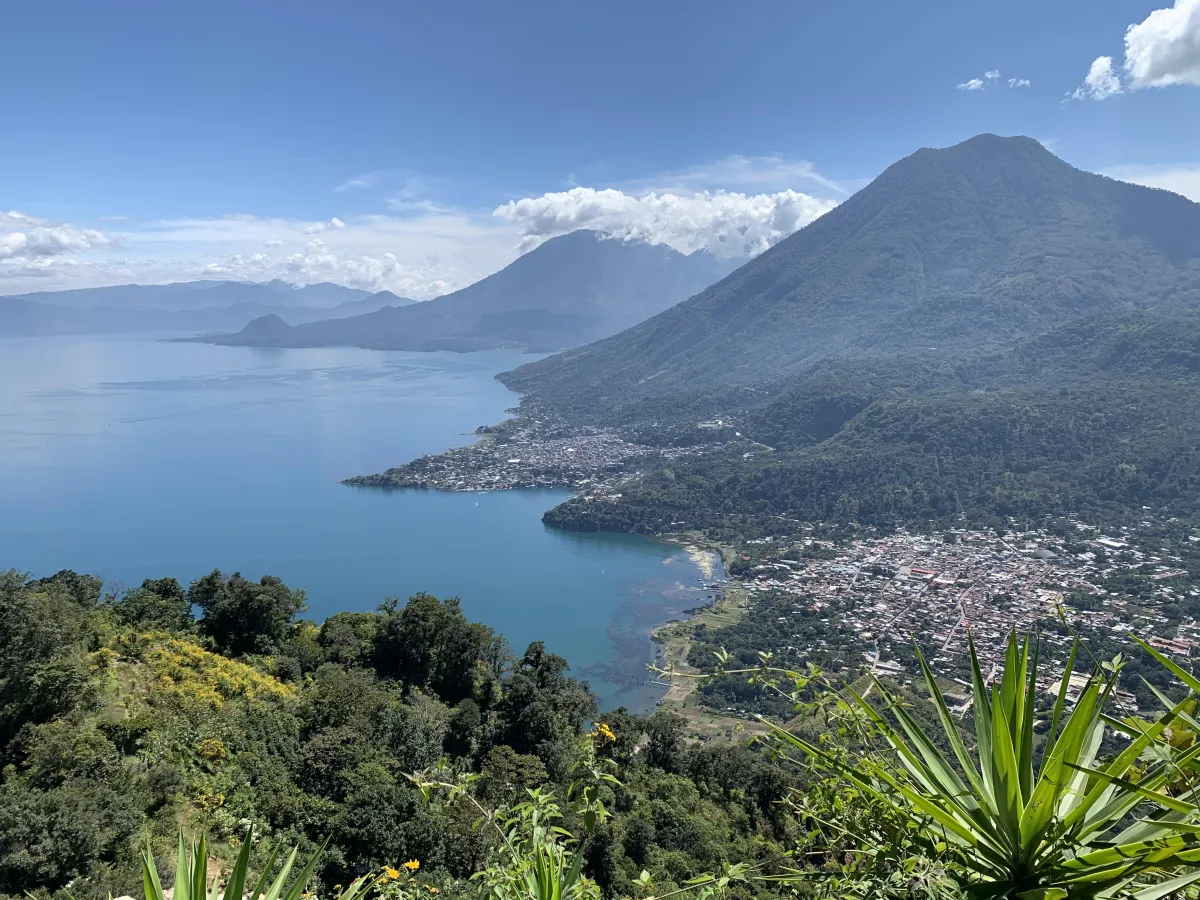
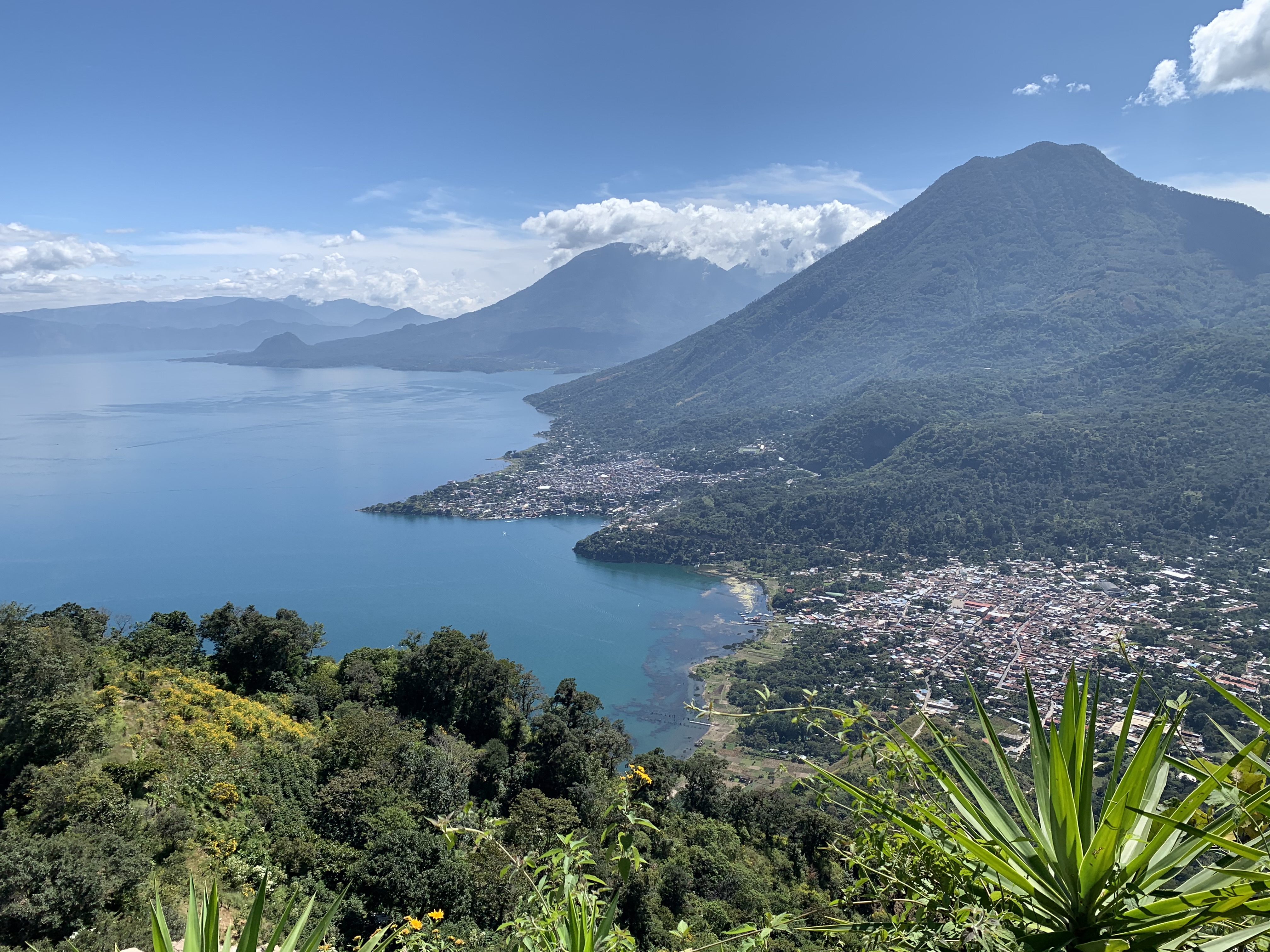
Photo of Lake Atitlán via Wikimedia Commons.
Volcán de Acatenango rises to 3,976 meters (13,045 feet), and from its slopes you get an unobstructed view of neighboring Volcán de Fuego, one of the most active volcanoes in Central America. On a clear night, you’ll watch Fuego erupt again and again, glowing lava against the dark sky. It’s a once-in-a-lifetime spectacle.
How Hard Is the Hike?
Make no mistake: this is a demanding trek. The trail climbs steeply for roughly 5–6 hours to base camp, gaining serious altitude over loose volcanic terrain. The thin air and cold add to the challenge. You don’t need to be an athlete, but a reasonable level of fitness, broken-in shoes, and determination are essential. Most tours include a guide, meals, and overnight gear at camp.
What to Pack
Temperatures at base camp drop near or below freezing at night, so warm layers are critical: thermal base layers, a fleece, a windproof jacket, hat, and gloves. Bring sturdy hiking shoes, plenty of water, snacks, a headlamp, and sun protection for the exposed daytime climb. Many operators rent jackets and gear, confirm in advance. For altitude and safety guidance, the CDC’s travel health pages are worth reviewing.
Combining Acatenango with Lake Atitlán
Acatenango tours depart from Antigua, which is conveniently on the route between Guatemala City and Lake Atitlán. A popular plan: acclimatize in Antigua, conquer Acatenango, then head to the lake to rest and recover. After a brutal-but-beautiful overnight on the volcano, sliding into the calm of San Marcos feels heavenly.
Trade aching legs for a lakeside swim and a slow morning. Book your recovery stay at Sarnai and let the lake soothe you after the climb.
Acatenango vs Lake Atitlán’s Hikes
If a multi-day, high-altitude expedition isn’t for you, Lake Atitlán offers gentler but rewarding hikes, the Indian Nose sunrise, the shoreline trails between villages, and the trails of Cerro Tzankujil. You can get spectacular volcano views without the overnight ordeal.
FAQ
Q: How hard is the Acatenango hike?
A: It’s challenging, about 5–6 hours of steep climbing to base camp at high altitude, in cold conditions. Reasonable fitness and warm gear are essential.
Q: Can you see lava on the Acatenango hike?
A: Yes, on clear nights you can watch neighboring Volcán de Fuego erupt, glowing lava visible from base camp, the trek’s biggest draw.
Q: Where do Acatenango hikes start, and can I combine it with Lake Atitlán?
A: Tours depart from Antigua, which sits between Guatemala City and Lake Atitlán, making it easy to recover at the lake afterward.
Earn the View, Then Reward Yourself
Acatenango is the kind of adventure you’ll tell stories about for years. Train a little, pack warm, and brace for an unforgettable night above the clouds, then let Lake Atitlán be your reward. Reserve your stay at Sarnai and recover in lakeside calm.

