Coliving at Lake Atitlán: Is It Right for You?
Coliving at Lake Atitlán: Is It Right for You?
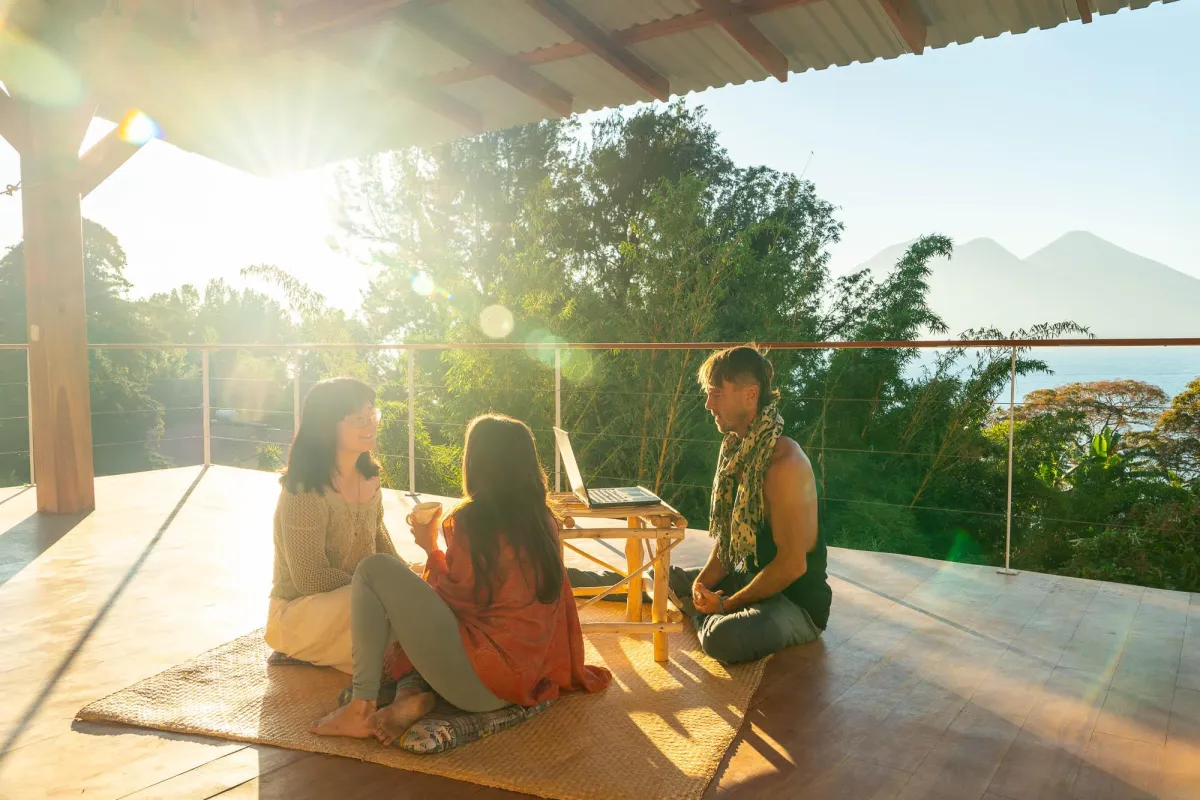
Coliving at Lake Atitlán means living and working alongside other remote workers in a shared setup that bundles housing, coworking, and community, ideal for nomads who want instant connection, structure, and zero logistics. Here’s how it works and whether it’s the right fit for you.
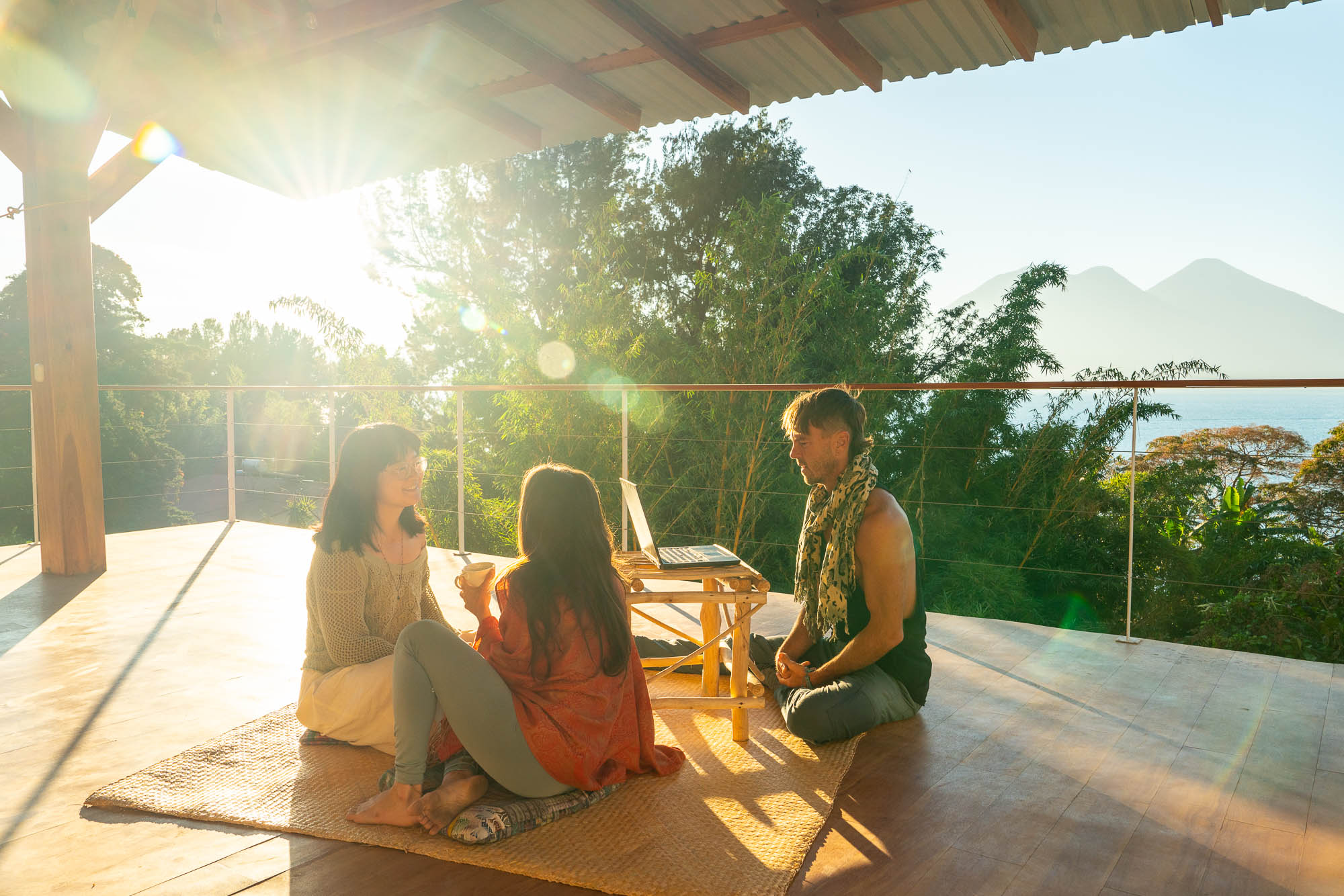
Solo remote work can be isolating, and figuring out housing, wifi, and a social life in a new place is exhausting. Coliving solves both. Here’s the full picture.
What Coliving Actually Is
Coliving combines private accommodation with shared spaces and a built-in community of other remote workers and travelers. A good coliving setup provides your room, a coworking space with reliable internet, and a calendar of community events, all in one. The pitch is simple: show up, plug in, and you instantly have a home, a workspace, and a social circle, without the hassle of arranging each separately.
Why It Works So Well at Lake Atitlán
The lake’s established international community and wellness culture make it a natural fit for coliving. San Marcos La Laguna in particular draws remote workers who want more than a desk, they want yoga, nature, and genuine connection. The best setups here lean into that, pairing fiber coworking with daily yoga, a gym, shared meals, and curated community events. Sarnai is built around exactly this model: private modern units, a dedicated coworking space, daily yoga, meals, and a vetted cohort, all included. See how the Sarnai coliving retreat works.
Who Coliving Suits
Coliving is ideal if you’re traveling solo, new to a destination, craving community, or simply tired of logistics. It’s especially valuable for nomads who’ve learned that “co-living spaces promised community, but everyone was transient”, a curated, cohort-based model fixes that by bringing together vetted people who are there for the same reasons. If you deeply prefer total privacy and independence, a private long-term rental might suit you more, but most nomads find the connection invaluable.
What to Look For
Evaluate a coliving option on internet reliability (fiber, suitable for calls), the quality of private space (you’ll want a real retreat to recharge), the community approach (curated and intentional, or just filling beds?), and the extras (yoga, meals, gym, events). The difference between a forgettable stay and a transformative one often comes down to these details. For broader perspective, Nomad List’s community discusses coliving across destinations.
The Real Payoff: Connection
The deepest benefit of coliving isn’t convenience, it’s the relationships. Many nomads report that their coliving cohort became a lasting community, the antidote to the quiet loneliness of life on the road. When everyone around you is interesting, intentional, and there for similar reasons, a month can change your year.
FAQ
Q: What is coliving for digital nomads?
A: A setup that bundles private housing, coworking, and a built-in community of remote workers, so you arrive to an instant home, workspace, and social circle without arranging each separately.
Q: Is coliving good for solo travelers?
A: Yes, it’s ideal. Coliving offers instant community and structure, easing the isolation and logistics of solo remote work, especially in a new destination.
Q: What should I look for in a Lake Atitlán coliving space?
A: Reliable fiber internet, comfortable private space, an intentional community approach, and wellness extras like yoga and meals. Curated cohorts beat transient, bed-filling models.
Find Your People on the Lake
If solo nomad life has started to feel lonely, coliving at Lake Atitlán offers the cure, community, structure, and beauty, with the logistics handled. Show up, plug in, and belong. Explore the all-inclusive Sarnai coliving retreat.
