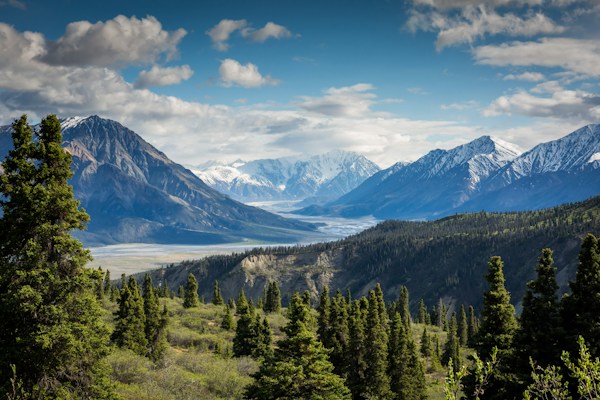
Indian Nose Sunrise Hike: The Best View of Lake Atitlán
Indian Nose Sunrise Hike: The Best View of Lake Atitlán
Few experiences match the majesty of watching sunrise from Indian Nose, a distinctive promontory overlooking Lake Atitlán and the volcanoes. The peak offers arguably the lake’s most stunning views—three volcanoes (San Pedro, Tolimán, and Atitlán) rising from the water, mist lifting from the lake, light transforming the landscape from darkness to luminous color. Hikers who rise before dawn, climb in darkness, and witness this sunrise transformation often describe it as a spiritual experience, a physical accomplishment, and pure natural beauty combined.
The hike is accessible, challenging but manageable, and entirely worth the effort.
The Geography and Views
Indian Nose stands approximately 7,500 feet elevation, roughly 2,400 feet above San Pedro La Laguna (the closest village base). The peak earned its name from its distinctive shape—a pointed promontory that resembles a nose when viewed from certain angles across the lake.
The view encompasses the lake’s northern shore, all three major volcanoes, and miles of highlands. On clear mornings, you can see beyond the immediate landscape—toward Mexico’s volcanic peaks and Guatemala’s interior mountains. The volcanoes create a dramatic amphitheater around the water. Clouds often cling to lower elevations, creating a effect of floating above cloud cover.
Sunrise is the reason most hikers undertake this pre-dawn effort. As the sun emerges on the eastern horizon, light ignites the volcanoes in shades of orange, pink, and gold, reflected in the lake below. The transformation from darkness to light happens rapidly—the entire process from pre-dawn gray to full daylight takes perhaps 30 minutes, but those minutes offer extraordinary beauty.

How to Climb Indian Nose
Getting to the Trailhead
Indian Nose hikes begin from San Pedro La Laguna, Lake Atitlán’s largest village. Most hikers hire guides in San Pedro; multiple tour operators and guesthouses can arrange hikes. Alternatively, ask at your accommodation in other villages—boats connect towns, and guides from San Pedro can guide hikers from anywhere on the lake.
Expect to pay 150-250 quetzals ($20-30) per person for a guide. While not mandatory, guides are strongly recommended—they navigate trails confidently, provide context about the landscape, ensure safety, and keep groups together.
Timing and Schedule
Sunrise hikes require predawn starts. To summit before sunrise, hikes typically begin at 4:00-5:00am depending on sunrise time (varies from 5:15am in December to 6:00am in June).
This means waking around 3:00-3:30am. It’s early, but the experience justifies the inconvenience. Many hikers describe the pre-dawn adventure—meeting other hikers in darkness, beginning climb in moonlight or headlamp-light—as part of the experience’s magic.
Descent typically takes 1.5-2 hours, putting most hikers back in town by mid-morning.
The Hike Itself
Difficulty Level: Indian Nose is moderately difficult. The elevation gain is significant (2,400 feet), and the trail is steep. It’s not technically difficult—no climbing equipment or technical skills required—but it requires fitness and endurance.
Most reasonably fit travelers complete the hike successfully. Those with cardiovascular concerns, significant knee or ankle issues, or limited fitness should discuss with guides beforehand. Shorter hikes exist that don’t reach the summit but explore lower elevations.
Trail Conditions: The trail passes through varied terrain—forests, open areas, steep rocky sections. In dry season, conditions are firm and manageable. In rainy season, the trail becomes muddy and slippery. Rain doesn’t prevent hiking but requires extra caution.
Duration: Most hikers ascend in 1.5-2 hours. This includes a 15-30 minute summit stay for sunrise and photos. Descent takes 1-1.5 hours (faster than ascent). Total time from start to return is typically 4-5 hours.
What to Bring
Headlamp or Flashlight: Essential for pre-dawn hiking. Even on moonlit nights, the trail needs illumination. Bring extra batteries.
Warm Clothing: Early morning on the mountain is cold (40-50°F, 4-10°C). Bring a warm layer you’ll shed as the day warms. Many hikers prefer lightweight merino wool or fleece.
Water and Snacks: Bring 2-3 liters of water and sustaining snacks (energy bars, nuts, fruit). The effort burns significant calories.
Sun Protection: Hat, sunglasses, sunscreen. The altitude means intense UV exposure. Bring sunscreen even though you’re hiking before sunrise—you’ll need it during descent as sun rises.
Proper Footwear: Waterproof hiking boots or trail shoes with excellent grip and ankle support. The terrain is steep and can be slippery, especially in rainy season.
Small Pack: A 15-20L daypack is sufficient. You’ll be carrying water and layers, so comfort matters.
Optional: A camera or phone with good low-light capability captures sunrise transformation. However, experience the moment with your own eyes before getting absorbed in photography.
The Sunrise Experience
The predawn hike has its own beauty—the cool darkness, sounds of night creatures, fellow hikers in headlamp light, anticipation building as the sky gradually lightens. This is part of the experience worth savoring rather than rushing through.
Reaching the summit 15-30 minutes before sunrise allows time to settle, catch breath, and prepare for what’s coming. Many hikers sit quietly, meditate, or journal during this time.
As the sun approaches the horizon, the sky begins color-changing—deep purples and blues transition to oranges and pinks. The volcanoes illuminate gradually. Then the sun breaks the horizon, and light floods the landscape.
The experience is profound—not just beautiful, but transformative. Many hikers describe feelings of connection, perspective, awe. The effort to rise early and climb becomes meaningful in the context of witnessing this natural wonder.
After the Summit
After experiencing sunrise, most hikers spend 20-40 minutes at the summit. Photography, meditation, eating breakfast, simply being present—all are common activities. The view remains stunning throughout this time as light continues transforming the landscape.
The descent is faster than ascent, though the steep downhill can be hard on knees. Taking descent slowly, using trekking poles if available, and wearing good footwear minimizes joint stress.
By late morning, most hikers are back in San Pedro, ready for breakfast and rest.
Alternative: Sunset Hike
While sunrise is most popular, sunset hikes are possible. You’ll climb during afternoon, reach the summit as the sun approaches the western horizon, and hike descent in fading light or darkness (requiring headlamps).
Sunset offers different beauty—afternoon light on the volcanoes, dramatic color show as the sun descends. However, hiking descent in darkness is more challenging and requires more caution. Most guides suggest sunrise as the superior experience, though sunset appeals to hikers who struggle with very early mornings.
Indian Nose with Other Lake Atitlán Hikes
Indian Nose is one of several excellent hikes around Lake Atitlán. Many travelers combine it with other activities:
San Pedro Volcano Hike: A half-day hike from San Pedro ascending the volcano. Less scenic than Indian Nose but a shorter option.
Cerro Tzankujil: Another major summit, near San Marcos, with different views and spiritual significance.
Combination Hiking: Experienced hikers might do Indian Nose one day and Cerro Tzankujil another, giving multiple perspective views of the lake and volcanoes.
Practical Considerations
Altitude Acclimatization: Indian Nose reaches 7,500 feet. Some people feel altitude effects at this elevation. Arriving a day or two before hiking allows basic acclimatization.
Headlamp Quality: A good headlamp makes the difference between managing dark hiking and struggling. Bring reliable equipment.
Group Size: Smaller groups (2-4 people) often provide better experiences than large groups. Larger groups move slower and create more noise, potentially diminishing the experience. Ask about group size when booking.
Guides: Quality guides enhance the experience immensely. They identify plants and birds, explain landscape, maintain pace, and ensure safety. Invest in a good guide.
Physical Limits: Discuss any physical concerns (knee pain, cardiovascular issues, asthma) with your guide before starting. They can adjust pace or suggest alternative hikes matching your capabilities.
Preparing Your Body and Rest
General Fitness: Regular cardiovascular exercise before your trip helps. Walking, running, cycling, or similar activities build endurance. However, the hike is achievable by people with moderate fitness.
Recovery After the Hike: After completing Indian Nose, your body will appreciate comfort and rest. Sarnai offers ideal recovery accommodation with massage services, peaceful lake views, and quiet spaces for rest. Many hikers return to Sarnai’s luxury suites after the early morning effort, enjoying a leisurely breakfast and relaxation time overlooking the volcanoes you just experienced from Indian Nose.
Strength Training: Leg strength helps, particularly for descent impact. Lunges, squats, or stair climbing before arrival strengthens legs for downhill demands.
Acclimatization: Arrive 2-3 days before the hike. Spending time at Lake Atitlán’s elevation (5,125 feet) acclimatizes your body for climbing to 7,500 feet.
Hydration and Sleep: Drink extra water for 2-3 days before the hike. Get adequate sleep the night before—the early wake-up will be difficult, but arriving rested helps manage the effort.
Frequently Asked Questions
Q: How early do I need to wake up?
A: Most hikers wake between 2:30-3:30am for a 4:00-5:00am start. It’s early, but many describe the pre-dawn adventure as part of the magic.
Q: Is the hike difficult?
A: It’s moderately difficult—significant elevation gain and steep terrain, but no technical climbing or equipment needed. Most reasonably fit travelers complete it successfully.
Q: What if weather is bad?
A: Rain and clouds can obscure sunrise views. Check weather forecasts and ask guides about conditions. Sometimes waiting a day for weather clearing gives better experiences than pushing through poor conditions. Guides can advise on go/no-go decisions.
Q: Can I hike Indian Nose without a guide?
A: Technically possible, but guides significantly enhance safety and experience. They navigate confidently, prevent getting lost, and provide valuable context about the landscape. Investing in a guide is worthwhile.
Q: What if I’m not fit enough?
A: Discuss concerns with guides—they can suggest shorter hikes that don’t reach the summit but still offer beautiful views. Some hikers ascend partway, enjoy views, and descend without reaching the peak.
Q: Is sunrise always visible from Indian Nose?
A: Clouds sometimes obscure the summit, particularly in rainy season. The experience can still be valuable even if sunrise views are limited. Ask guides about seasonal clarity patterns and plan accordingly.
