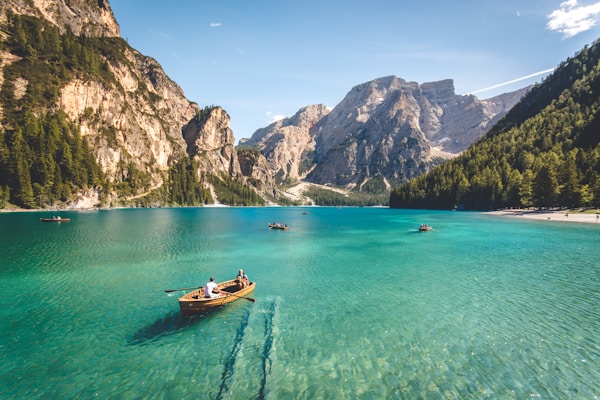
Lake Atitlán on a Budget: A Backpacker's Guide to Spending Less and Seeing More
Lake Atitlán on a Budget: A Backpacker’s Guide to Spending Less and Seeing More
Lake Atitlán is one of the world’s most affordable travel destinations. You can live, eat well, and enjoy quality experiences for $30–50 USD per day. This affordability doesn’t mean cheap or uncomfortable—it means your money goes genuinely far, allowing extended travel or deeper experiences than would be possible elsewhere.
This guide shows how to maximize experiences while minimizing spending, including where corners can be cut without sacrificing quality, where investment in comfort pays dividends, and how to live like locals rather than tourists.
Budget Breakdown: Monthly Costs in San Marcos
Accommodation (Budget Option):
- Basic room in a hostel or guesthouse: 150–250 quetzales/night ($20–30)
- Private basic room: 250–350 quetzales/night ($30–45)
- Monthly budget: 5,000–8,000 quetzales ($650–1,050)
Food (Budget Approach):
- Breakfast at a local comedor: 20–30 quetzales ($2.50–4)
- Lunch (set meal): 25–40 quetzales ($3–5)
- Dinner (eating out): 35–50 quetzales ($4.50–6.50)
- Market groceries for occasional meals: 50–100 quetzales ($6–13)
- Daily food budget: 100–150 quetzales ($13–20)
- Monthly: 3,000–4,500 quetzales ($400–600)
Activities (Free and Cheap):
- Hiking: Free
- Lake swimming: Free
- Market visits: Free
- Yoga classes: 50–100 quetzales ($6–13)
- Ceremony or workshop: 75–150 quetzales ($10–20)
- Boat transportation: 10–20 quetzales per trip ($1.50–2.50)
- Monthly activities budget: 500–1,000 quetzales ($65–130)
Utilities and Miscellaneous:
- Internet (if needed): 50–100 quetzales/month
- Phone/SIM: 25–50 quetzales/month data
- Toiletries, incidentals: 200–300 quetzales/month
- Total: 300–500 quetzales ($40–65)
Monthly Total: $1,155–1,845
Daily Average: $38–62 per day
This is comfortable budget travel—you’re eating well, doing activities, and not constantly pinching pennies.
Where to Stay on a Budget
Hostels:
San Marcos has several hostels offering dorm beds for 100–150 quetzales ($13–20) per night. Hostels provide community, communal kitchens for cooking, and usually reliable wifi. The social aspect helps on longer stays.
Hostels range from party-focused (fewer in San Marcos) to quiet and peaceful (more common). Ask around before booking.
Budget Guesthouses:
Local family-run guesthouses offer basic private rooms for 200–300 quetzales ($26–40) per night. These are often homes with 3–5 guest rooms, run by locals. Quality varies, but reviews usually indicate reliability. These are preferable to hostels if you want private space without major cost increase.
Monthly Rentals:
For stays longer than 2 weeks, monthly rates drop dramatically. Monthly rentals cost 3,000–5,000 quetzales ($400–650) for basic rooms—cutting nightly cost from $30 to $13–17. Many budget travelers book 2–4 week monthly rentals instead of nightly rates.
Where to Book:
- Airbnb (though commission makes it pricier)
- Booking.com
- Walk around and knock on doors—many houses rent rooms without online listing
- Ask at hostels—locals often have rental connections
- Facebook groups for San Marcos residents and travelers
Eating Well on a Tight Budget
Comedores (Local Eateries):
The most budget-friendly meal option. These are small, family-run restaurants serving traditional Guatemalan food. A “pensión” (set meal) typically includes: rice, beans, tortillas, a main (chicken, fish, or vegetables), and often a vegetable side. Cost: 25–40 quetzales ($3–5).
Comedores are frequented by locals, not tourists. Look for small signs, check Google Maps, or ask locals. You’ll typically find: Comedor Silvia, Comedor Elena, and several others in San Marcos. Quality varies, but most are good.
Market Shopping:
Buy ingredients at local markets and prepare simple meals. Prices are astoundingly cheap:
- Eggs: 4–6 quetzales each
- Rice (kilo): 8 quetzales
- Beans (kilo): 10 quetzales
- Fresh corn tortillas: 0.25 quetzales each
- Avocados: 3–5 quetzales each
- Seasonal fruit: 2–10 quetzales per kilo
Making your own breakfast or dinner costs 10–20 quetzales ($1.50–2.50). Many accommodations have basic cooking facilities.
Avoiding Tourist Markups:
Tourist restaurants charge 60–120 quetzales ($8–16) for similar meals. They’re fine if you want English menus and familiar food, but they’re 2–3x the cost of local options. Once you’re comfortable with Spanish and local culture, eating at comedores becomes natural.
Splurge Strategically:
Budget doesn’t mean never eating at nicer restaurants. On occasion, eat at a mid-range place (50–80 quetzales) or treat yourself to a special meal. If your daily food budget is 130 quetzales, spending 200 quetzales occasionally is fine—you’ll save elsewhere.
Free Activities and Experiences
Hiking:
All hiking is free or costs only the guide (150–250 quetzales, optional). Volcano hikes, cloud forest walks, village treks—no entry fees. This is enormous savings compared to many destinations.
Swimming:
The lake is free. Swim right from most beaches. Some hotels charge 20–30 quetzales if you’re not a guest and want to use their beach access, but many areas are completely free.
Markets and Villages:
Visiting markets, exploring villages, watching daily life—completely free. Markets are ethnographic experiences in themselves.
Sunset and Sunrise:
Find a good viewpoint—either a free one or by staying at an accommodating place—and watch light change. The views rival any paid activity.
Spiritual Practice:
Meditation on your own, yoga stretches (many free yoga spots overlook the lake), sitting in silence—free and transformative. Many hosts offer meditation or yoga space without charge.

Paid Activities That Are Worth It
Guided Hikes: 150–250 quetzales for a full-day volcano hike is genuinely inexpensive considering guide knowledge, safety, and experience enrichment. Worth doing at least once.
Yoga Classes: 50–100 quetzales. Regular practice deepens if you attend multiple classes at the same studio and build community with the teacher.
Cacao Ceremony: 75–150 quetzales. This is a unique cultural experience worth the cost.
Cooking Class: 100–150 quetzales to learn traditional Guatemalan cooking from locals. Food-themed learning sticks with you.
Boat Tours: 100–200 quetzales for village tours or sunset boat rides. Less essential but often memorable.
Money-Saving Strategies
Do Longer Stays:
A 4-week stay costs more total than a 2-week stay, but per-day cost is lower due to monthly rental rates, accumulated local knowledge, and eliminated tourist markups.
Travel with Others:
Split accommodation costs (finding a 2-bedroom for 400 quetzales and splitting), share boat costs, and have accountability to explore instead of resort-staying.
Use a Visa Card Without Foreign Fees:
Cards like Wise or specific banks with low foreign transaction fees eliminate ATM and exchange mark-ups. US banks often charge $3 per ATM withdrawal—avoiding this saves significantly on longer stays.
Learn Basic Spanish:
Even simple Spanish dramatically reduces prices. Vendors won’t overcharge if you’re negotiating in their language. You’ll also eat at locals-only spots that don’t price-gouge tourists.
Work While Traveling:
Teach English (part-time, often unpaid or room-and-board), write freelance content, or work remotely. Earning while traveling extends time or increases budget without more of your own money.
Budget Travel Doesn’t Mean Missing Out
Sarnai illustrates an important principle: budget travel doesn’t require sacrificing quality. Yes, you can stay in a basic room and eat every meal at comedores. But occasionally investing in comfort (a nice meal, a peaceful night at a thoughtfully designed property, a guided experience) enriches travel without breaking budget.
Many travelers find that $50/day allows good experiences: basic comfortable accommodation, decent food, occasional activities, and occasional splurges. It’s about strategic spending, not deprivation.
Frequently Asked Questions
Q: Can I really live on $30 USD per day?
A: Yes, but it requires cooking many meals, staying in hostels, and avoiding paid activities. $40–50/day is more realistic for comfort (private room, eating out regularly, occasional activities). $30/day is possible but feels restrictive.
Q: What’s the cheapest month to visit?
A: May–October is wet season and lowest prices. November–December prices rise. January–February is expensive (high season). Shoulder months (April, October) offer good balance.
Q: Is it safe traveling solo on a tight budget?
A: San Marcos is safe. Budget travel and safety aren’t inversely related. Hostels provide community, locals are welcoming. Being broke isn’t unsafe—being careless is. Normal travel safety applies.
Q: How do I maximize experiences on a budget?
A: Befriend locals and other travelers. Participate in free activities (hikes, swimming, sitting). Eat where locals eat. Stay longer (more time, less daily cost). Sarnai offers good value—comfortable, affordable, and positioned to access both budget activities and quality experiences.
Recommended Reading:
