Lake Atitlán vs Tulum: Which Should You Visit?
Lake Atitlán vs Tulum: Which Should You Visit?
Choose Lake Atitlán for affordable, authentic mountain-and-lake wellness with far fewer crowds, and choose Tulum for Caribbean beaches and a polished (but pricey and busy) scene. Both are wellness magnets, but they offer very different experiences.
If you’re weighing a trip to Guatemala’s Lake Atitlán against Mexico’s Tulum, this honest comparison will help you decide based on what you actually want.
Setting and Scenery

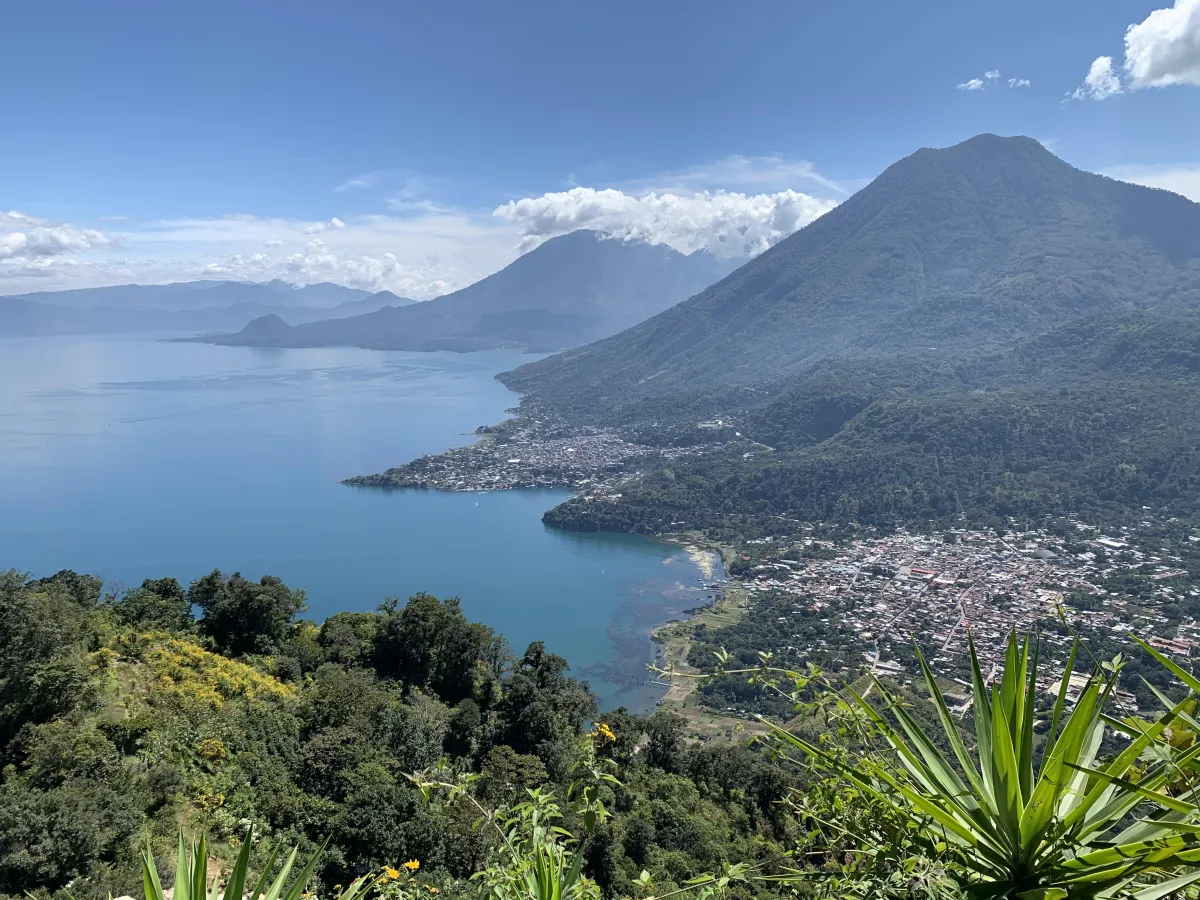
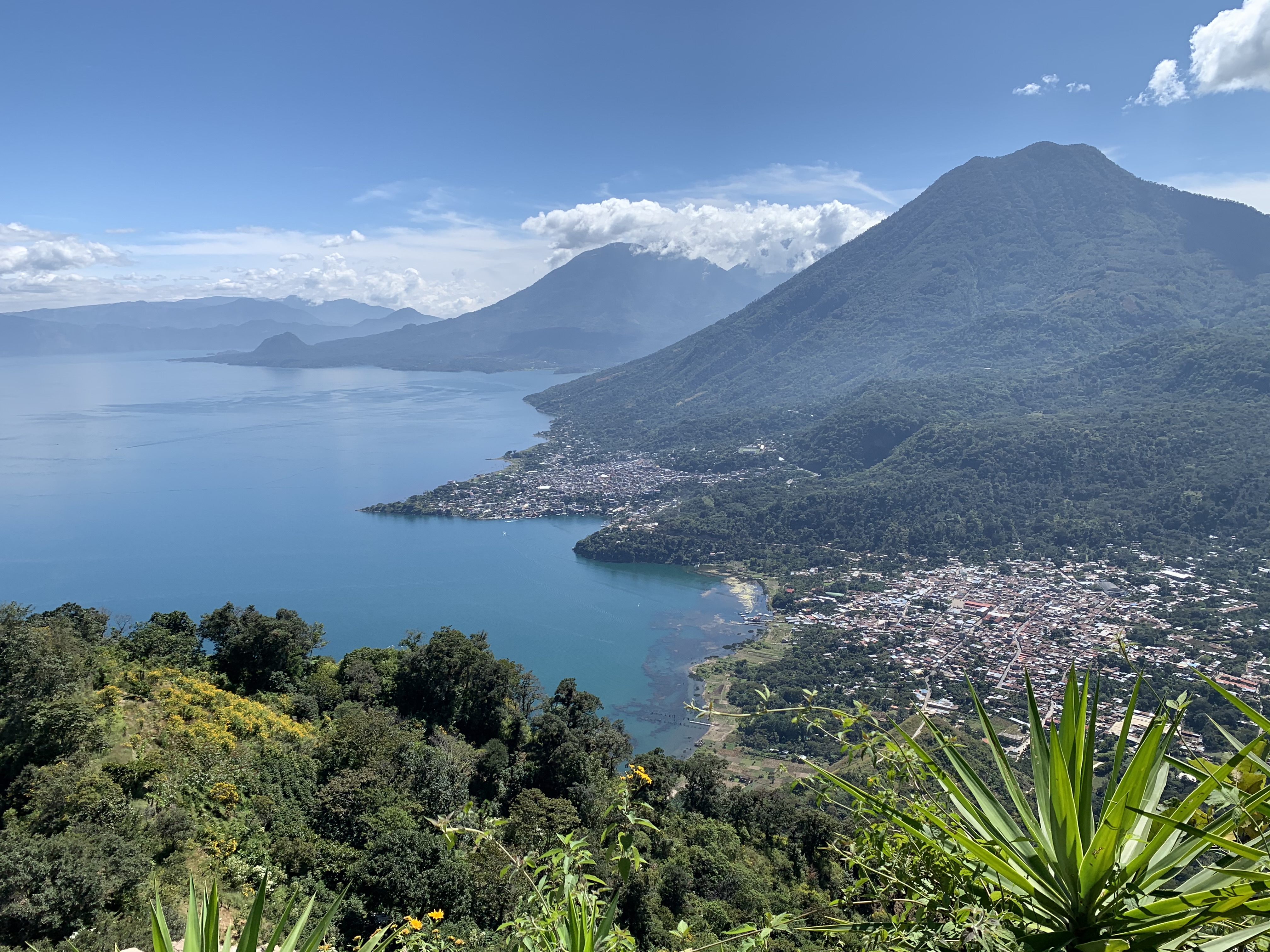
Photo of Lake Atitlán via Wikimedia Commons.
Tulum delivers white-sand Caribbean beaches, turquoise water, and jungle cenotes. Lake Atitlán offers something rarer: a vast volcanic crater lake at 1,560 meters, ringed by three volcanoes and traditional Maya villages. One is beach paradise; the other is highland drama. If you dream of swimming in warm sea, Tulum wins. If you’re drawn to mountains, lakes, and cool “eternal spring” air, Atitlán is unmatched.
Cost: Atitlán Is a Fraction of the Price
This is where the two part ways dramatically. Tulum has become one of Mexico’s most expensive destinations, with beachfront hotels, restaurants, and clubs priced for an international jet-set crowd. Lake Atitlán remains genuinely affordable: comfortable boutique stays, $3 local meals, and inexpensive tours. Your money simply goes much further at the lake.
Crowds and Authenticity
Tulum’s popularity has brought heavy development, traffic, and crowds, especially in high season. Lake Atitlán feels far more authentic and uncrowded, with living Maya culture, working villages, and a slower pace. Travelers seeking a less commercialized experience consistently prefer the lake. For broader destination context, Lonely Planet’s Mexico and Guatemala guides are useful side-by-side reading.
Wellness and Spirituality
Both are wellness destinations, but with different flavors. Tulum offers polished, design-forward yoga studios, beach clubs, and luxury spas. San Marcos La Laguna on Lake Atitlán offers a deeper, more grassroots wellness culture, cacao ceremonies, sound baths, rooftop yoga, and meditation, at a fraction of the price. If you want substance over scene, the lake delivers. You’ll find that spirit at Sarnai, right in San Marcos. Book your stay at Sarnai to experience it.
Getting There and Around
Tulum is easier to reach for many North Americans, with Cancún airport about 1.5–2 hours away. Lake Atitlán requires a 3–4 hour drive from Guatemala City plus a boat, part of its charm and its barrier to crowds. Once there, Tulum sprawls along a road best navigated by bike or taxi, while Atitlán’s villages connect by scenic boat rides.
So, Which Should You Choose?
Pick Tulum if your heart is set on Caribbean beaches and you don’t mind the price and crowds. Pick Lake Atitlán if you want dramatic nature, authentic culture, genuine wellness, and exceptional value. Many travelers who’ve done both say the lake left a deeper impression.
FAQ
Q: Is Lake Atitlán cheaper than Tulum?
A: Significantly. Accommodation, food, and tours at Lake Atitlán cost a fraction of Tulum’s prices, making it one of Latin America’s best-value destinations.
Q: Does Lake Atitlán have beaches?
A: Not sandy ocean beaches, it’s a freshwater volcanic lake. You can swim from docks and rocky shores, but if beaches are your priority, Tulum is the better fit.
Q: Which is better for wellness, Tulum or Lake Atitlán?
A: Both are wellness hubs. Tulum is more polished and pricey; San Marcos at Lake Atitlán offers deeper, more affordable, grassroots wellness experiences.
Choose Depth Over Hype
If you want beaches and bottle service, Tulum’s calling. But if you crave nature, authenticity, and a real reset without the eye-watering bill, Lake Atitlán wins hands down. Reserve your stay at Sarnai and discover why travelers fall for the lake.

