Work-Life Balance as a Remote Worker: How to Actually Achieve It
Work-Life Balance as a Remote Worker: How to Actually Achieve It
Real work-life balance as a remote worker comes from firm boundaries, clear work hours, a dedicated workspace, and rituals that separate “on” from “off”, not from working less, but from working with edges. Without them, remote work expands to fill every hour. Here’s how to reclaim your life.
Remote work promised freedom, but for many it delivered the opposite: work that never ends, bleeding into evenings, weekends, and every room of the house. Here’s how to fix that.
Why Remote Work Erodes Balance
When your home is your office and your laptop goes everywhere, the natural boundaries that once separated work from life vanish. There’s no commute to mark the transition, no leaving the building, no clear “off.” The result is a creeping sense of always being on call, which leads to stress, resentment, and eventually burnout. Recognizing this is the first step to fixing it.
Set Hard Boundaries
The foundation of balance is defined work hours, and the discipline to honor them. Decide when your workday starts and ends, communicate those hours to colleagues and clients, and resist the urge to “just check one thing” after hours. Boundaries aren’t rigid for the sake of it, they protect the rest of your life so you can be fully present in it.
Create Physical and Ritual Separation
Where possible, work in a dedicated space, not your bed or your favorite relaxing spot, so your brain associates that place with focus and other places with rest. Bookend your day with rituals that signal the transition: a morning routine to start, and a clear “shutdown” (closing the laptop, a walk, a yoga class) to end. These small cues train your mind to switch modes.
Let Your Environment Support Balance
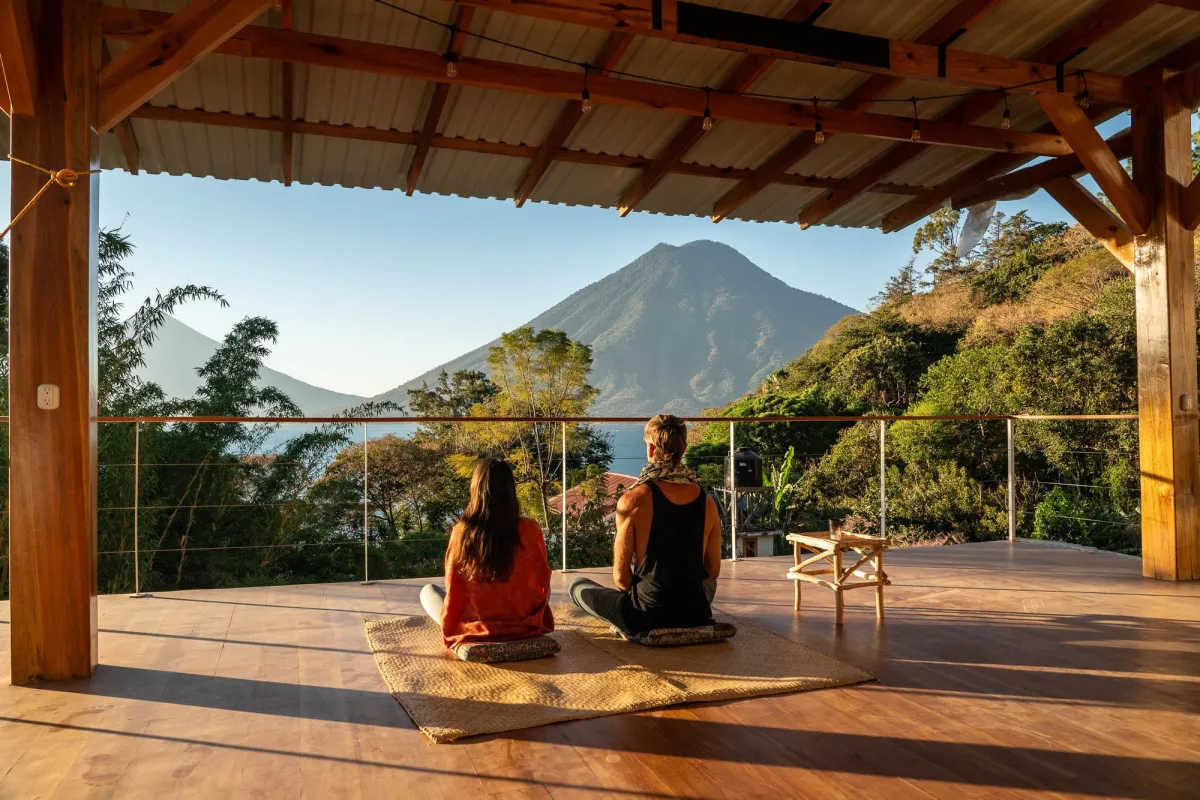
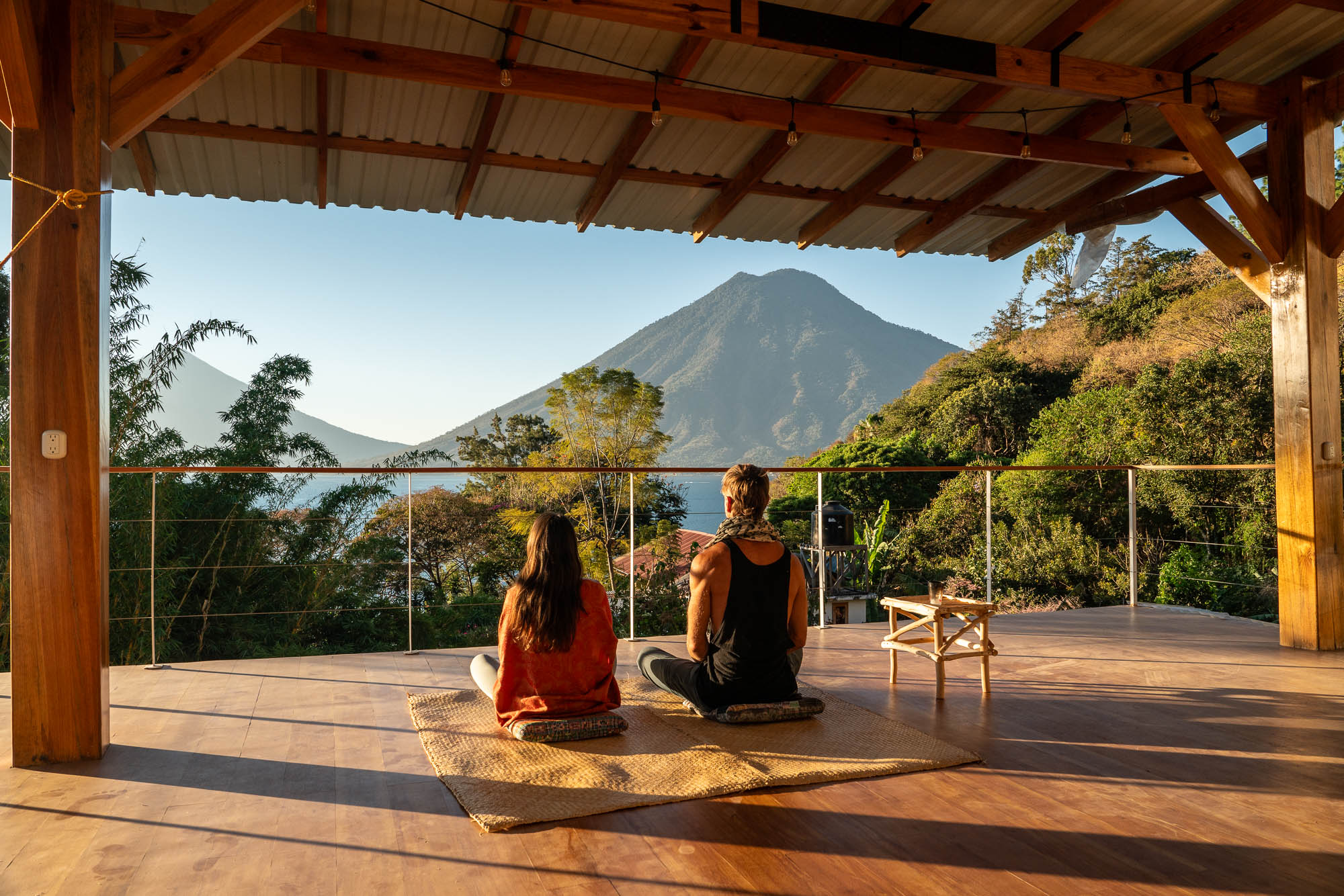
Balance is far easier when your surroundings encourage it. A setting with daily yoga, nature, community, and a real separation between work and living spaces makes “switching off” natural. This is part of why nomads thrive at places designed for it: Sarnai pairs fiber coworking with daily yoga, a gym, and a beautiful lakeside setting, so when work ends, a genuinely restorative life is right there waiting. See how Sarnai supports balance.
Protect What Matters
Balance isn’t only about limiting work, it’s about actively filling the rest with what nourishes you: movement, relationships, nature, hobbies, and rest. Schedule these as deliberately as you schedule meetings. The goal is a life where work is one important part, not the whole. For more on remote-work wellbeing, Harvard Business Review’s remote-work coverage offers research-based guidance.
FAQ
Q: Why is work-life balance harder when working remotely?
A: Because the natural boundaries between work and life, commute, office, set hours, disappear. Without deliberate boundaries, work expands to fill every hour and space.
Q: How do I set boundaries as a remote worker?
A: Define and honor clear work hours, work in a dedicated space, communicate your availability, and use start and shutdown rituals to mark the transition between work and life.
Q: Does my environment affect work-life balance?
A: Significantly. A setting with separate work and living spaces, plus easy access to movement, nature, and community, makes switching off and finding balance far more natural.
Build a Life, Not Just a Job
Remote work should expand your life, not consume it. Set boundaries, create rituals, and choose an environment that makes balance easy, and you’ll finally enjoy the freedom you signed up for. Explore the balanced Sarnai retreat lifestyle.
