What Is Hatha Yoga? A Beginner-Friendly Explanation
What Is Hatha Yoga? A Beginner-Friendly Explanation
Hatha yoga is a slower-paced, foundational style focused on holding postures, learning alignment, and connecting movement with breath, making it one of the best entry points for beginners. The term technically covers all physical yoga, but in class it usually means a gentle, deliberate practice.
If you’ve seen “Hatha” on a class schedule and wondered what it means, here’s a clear, friendly explanation.
The Meaning of “Hatha”
The word Hatha comes from Sanskrit, often interpreted as the union of opposites, “ha” (sun) and “tha” (moon), reflecting balance between effort and ease. Traditionally, Hatha refers to the physical branch of yoga as a whole. So technically, Vinyasa, Ashtanga, and most posture-based styles are forms of Hatha. But on a modern class schedule, “Hatha” specifically signals a slower, foundational practice.
What a Hatha Class Is Like
In a Hatha class, you’ll move at a measured pace, holding each posture for several breaths rather than flowing quickly between them. This gives you time to understand alignment, build strength and stability, and connect deeply with your breath. Classes usually include breathing exercises (pranayama), a sequence of standing and seated poses, and a relaxing finish. The unhurried pace makes it accessible and calming.
The Benefits of Hatha Yoga
Because it’s slower and more deliberate, Hatha is excellent for building a strong foundation. Benefits include improved flexibility and strength, better posture and body awareness, reduced stress, and a calmer mind. The longer holds help you learn poses correctly, which serves you well if you later explore faster styles. It’s also gentle on the body, suitable for most ages and fitness levels. For more on yoga’s benefits, see Johns Hopkins Medicine’s overview.
Is Hatha Right for You?
Hatha is ideal if you’re new to yoga, returning after a break, recovering from the effects of desk work, or simply prefer a slower, more mindful practice. It’s also a great complement to high-intensity exercise, balancing strength and flexibility with calm. If you want a vigorous workout, you might pair it with Vinyasa or Ashtanga, but for foundations and stress relief, Hatha is hard to beat.
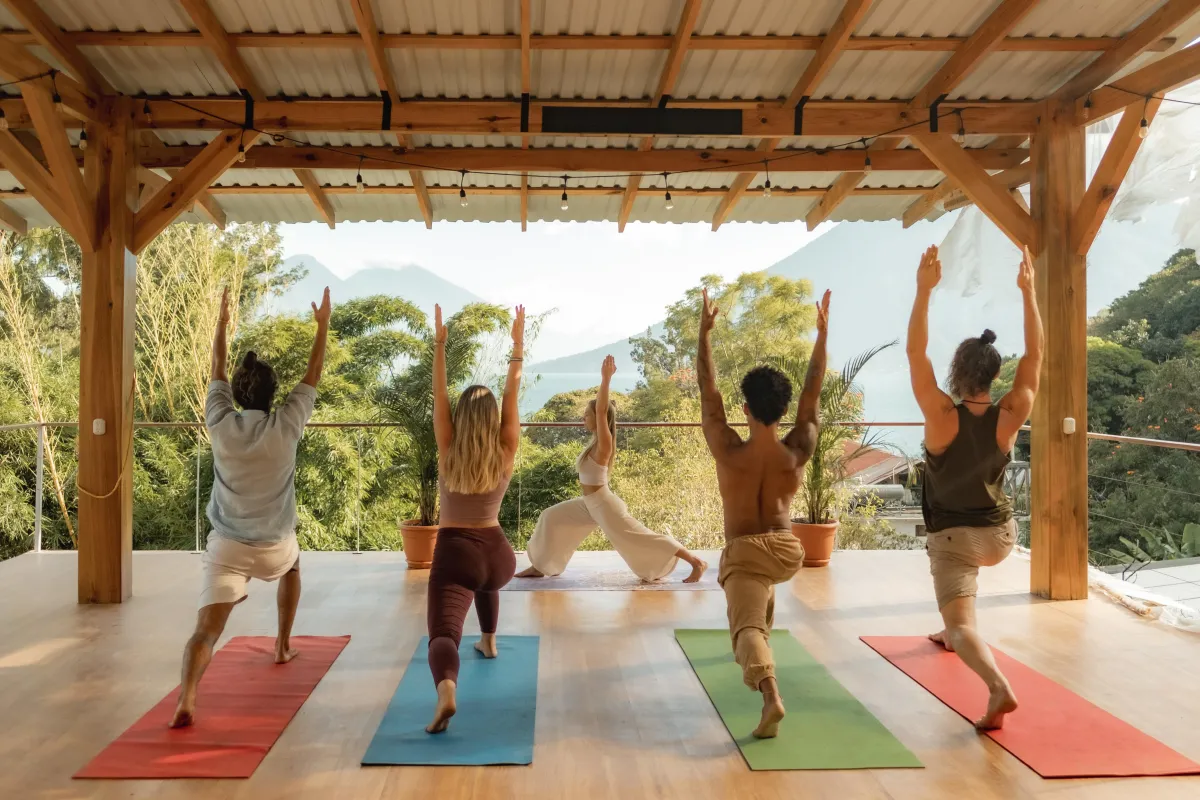
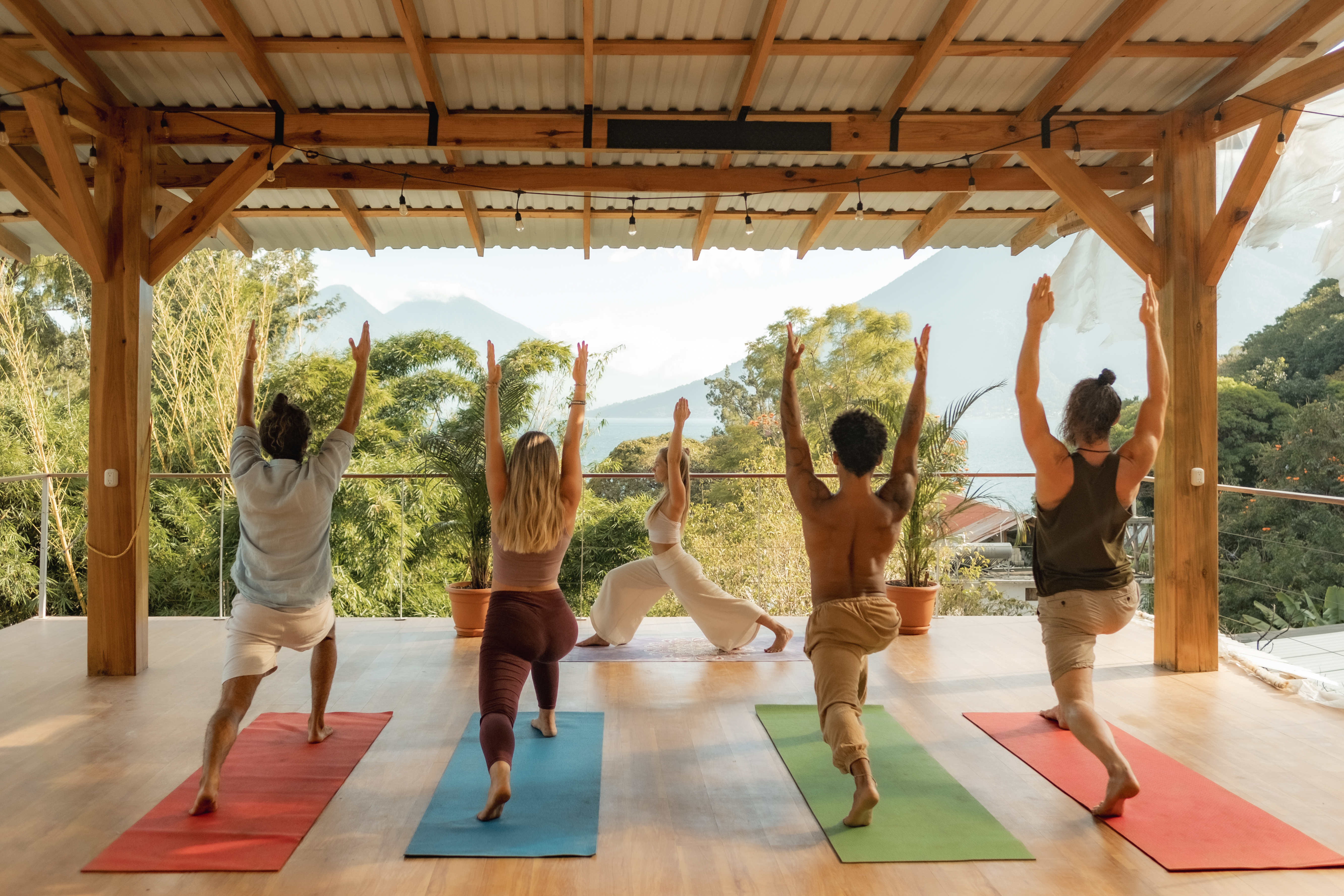
At Sarnai, all-levels rooftop classes are a perfect place to learn the fundamentals at a comfortable pace, with the lake and volcanoes in view. See the yoga schedule at Sarnai.
FAQ
Q: Is Hatha yoga good for beginners?
A: Yes, it’s one of the best styles for beginners. Its slower pace and longer holds give you time to learn alignment, build strength, and connect with your breath.
Q: What is the difference between Hatha and Vinyasa yoga?
A: Hatha is slower, holding poses for several breaths, while Vinyasa flows continuously, linking movement to breath. Hatha builds foundations; Vinyasa builds heat and flow.
Q: Is Hatha yoga a good workout?
A: It builds strength, flexibility, and stability at a gentle pace. It’s less intense than Vinyasa or Ashtanga but excellent for foundations, posture, and stress relief.
Start With Strong Foundations
Hatha yoga is the patient, grounding practice that sets you up for everything else, and it’s perfect for beginners. Take it slow and feel the benefits build. Join an all-levels rooftop class at Sarnai and begin with strong foundations.
