Yin vs Restorative Yoga: What's the Difference?
Yin vs Restorative Yoga: What’s the Difference?
Yin yoga gently stresses connective tissue with longer-held poses to build flexibility, while Restorative yoga fully supports the body with props for deep relaxation and recovery, both slow and calming, but with different purposes. Knowing the difference helps you choose the right gentle practice for your needs.
In a world of fast, sweaty workouts, slow yoga is having a well-deserved moment. But Yin and Restorative, often grouped together, aren’t the same thing. Here’s how they compare.
What Is Yin Yoga?
Yin yoga is a slow, floor-based practice where poses are held for three to five minutes (sometimes longer). The goal is to gently stress the body’s deeper connective tissues, fascia, ligaments, and joints, to improve flexibility and mobility over time. You’ll feel sensation in a Yin practice; it’s meant to be a gentle, tolerable “edge,” held with stillness and steady breath. Yin is also deeply meditative, as the long holds invite you to sit with whatever arises.
What Is Restorative Yoga?
Restorative yoga is about complete rest and relaxation. Using props, bolsters, blankets, and blocks, your body is fully supported in gentle, comfortable poses held for long periods, often 5 to 20 minutes. Unlike Yin, you should feel no strain at all, just total support and ease. The aim is to activate the parasympathetic “rest and digest” nervous system, melting away stress and supporting recovery.
The Key Differences
The simplest distinction: Yin creates gentle stress to build flexibility; Restorative removes all stress to promote deep rest. In Yin you feel sensation and stay present with it; in Restorative you feel only comfort and let go entirely. Yin uses fewer props and longer “edges”; Restorative uses many props and zero effort.
For evidence on how slow, mindful practices reduce stress, see the American Psychological Association’s resources on relaxation.
Which One Should You Choose?
Choose Yin if you want to improve flexibility, release tension in the hips and spine, and cultivate a meditative edge. Choose Restorative if you’re exhausted, stressed, recovering from illness or intense exercise, or simply need to do absolutely nothing for an hour. Both are wonderful complements to active styles like Vinyasa, and both are perfect after a day of travel or hiking.
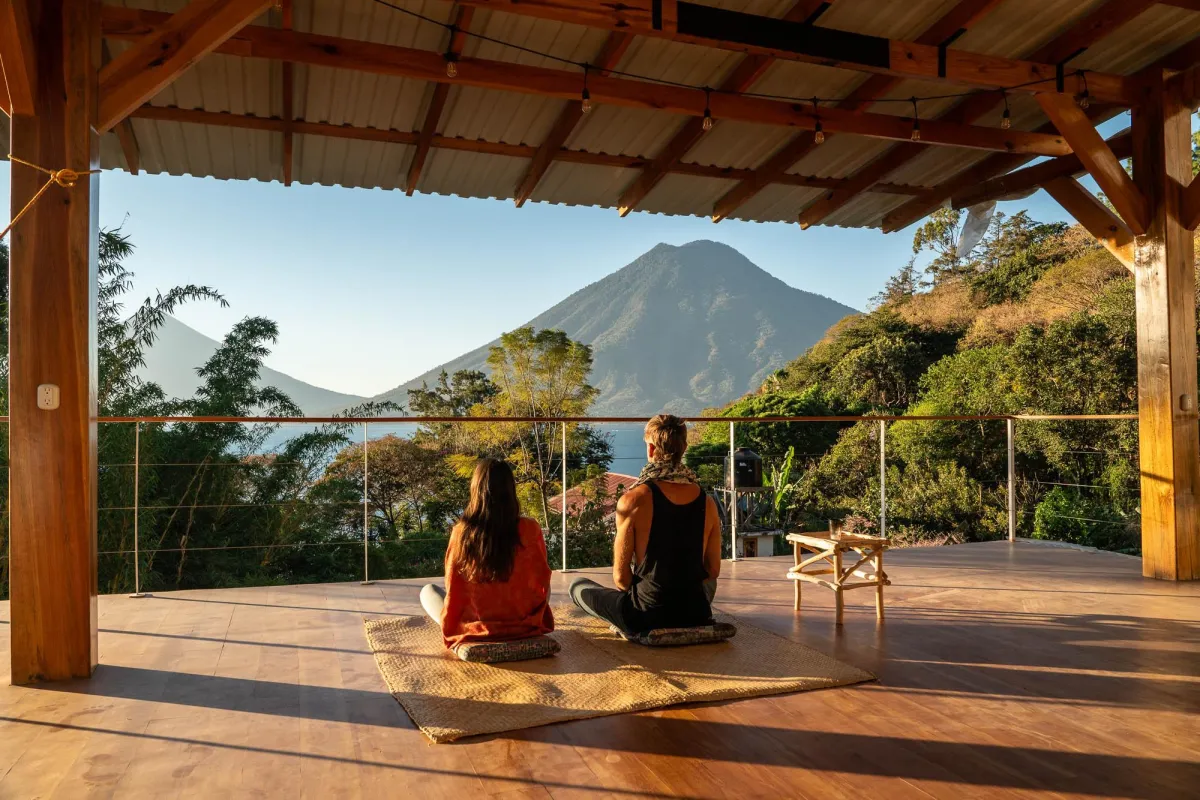
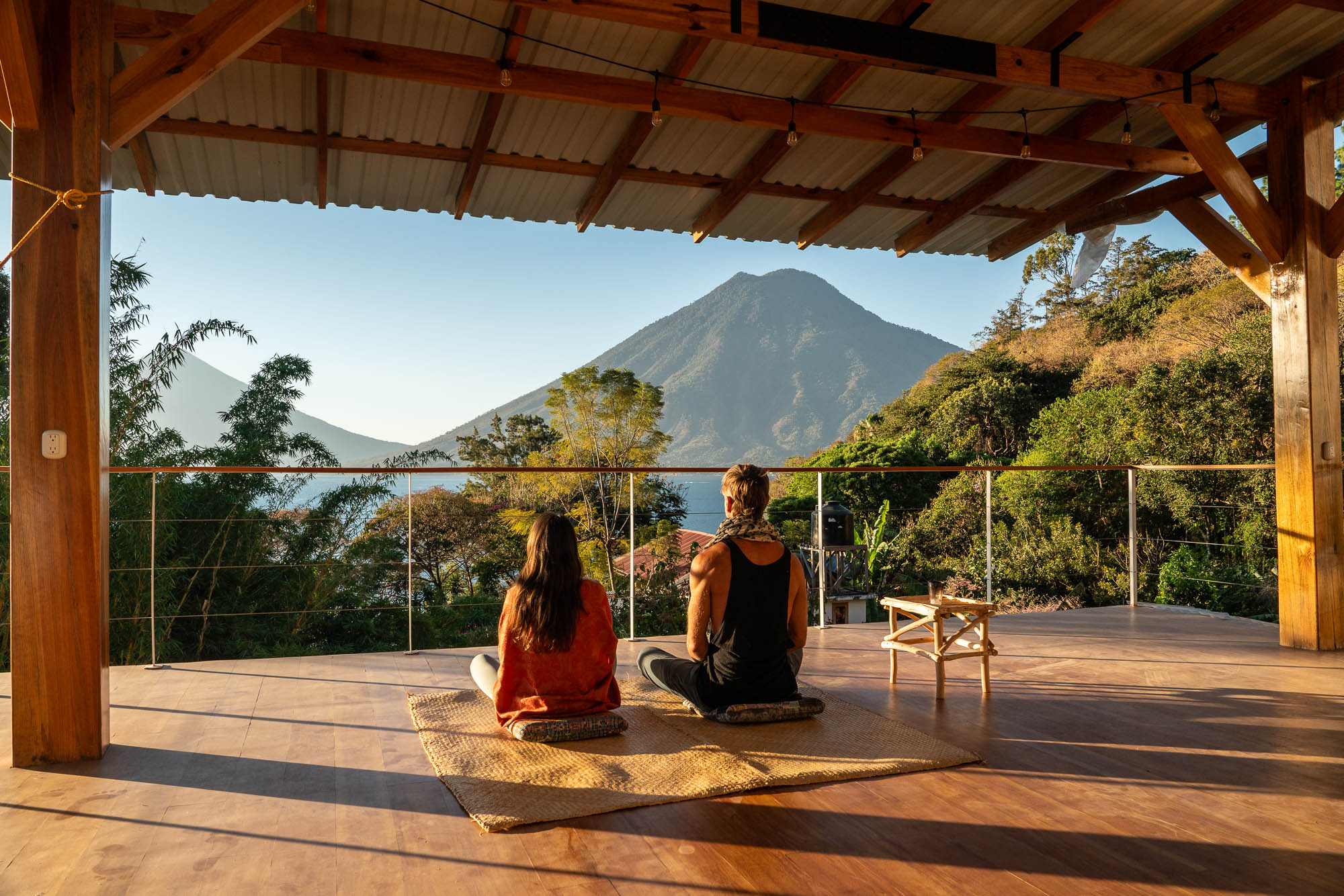
At Sarnai, gentle classes on the rooftop offer a serene way to slow down with the lake in view, ideal after the Indian Nose hike or a long travel day. Explore the yoga schedule at Sarnai.
FAQ
Q: What is the difference between Yin and Restorative yoga?
A: Yin gently stresses connective tissue with longer-held poses to build flexibility, while Restorative fully supports the body with props for pure relaxation with no strain.
Q: Which is better for stress relief, Yin or Restorative?
A: Both reduce stress, but Restorative is the most deeply relaxing, designed to activate the body’s rest-and-recover response with total comfort and support.
Q: Are Yin and Restorative yoga good for beginners?
A: Yes. Both are gentle, accessible, and require no flexibility or strength, making them excellent entry points, though Yin’s long holds do ask for patience and stillness.
Slow Down on the Lake
Yin and Restorative both teach the underrated art of slowing down, one through gentle stretch, the other through total rest. Try both and feel which your body craves. Join a gentle rooftop class at Sarnai and let yourself unwind.
